Rosacea: causes and what actually helps
A chronic inflammatory skin condition of the face — how to recognise it, what triggers flare-ups and how it is treated by international protocols.
⚡ In short
- Rosacea is a vascular condition, not an oil-gland one. No deep cleanses or scrubs.
- Main triggers: sun, heat, alcohol, spicy food, stress.
- Care basics: gentle cleansing, niacinamide/ceramides, SPF PA++++.
- Treatment is chosen with a doctor depending on the stage.
Rosacea is not «just redness» and it is not an oil-gland problem. It is a chronic vascular skin condition that needs a gentle approach, not aggressive cleansing.
What is rosacea?
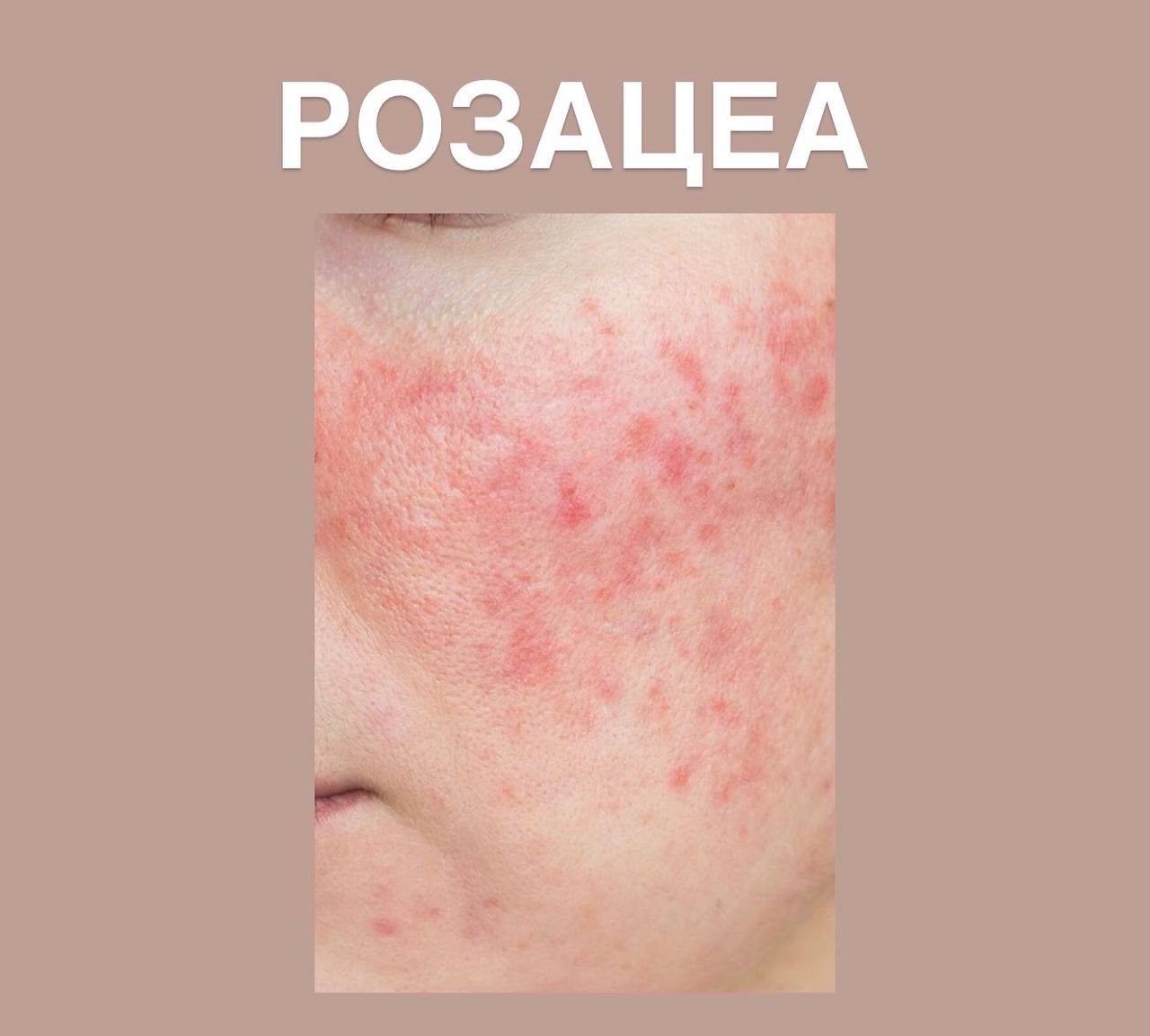
A chronic inflammatory condition of the facial skin: transient or persistent erythema, telangiectasia, papules and pustules, skin thickening (phyma), burning and stinging sensations, and ocular symptoms.
Signs of rosacea
- Pimples, but without blackheads
- Redness in the centre of the face — cheeks, forehead, nose or chin
- Visible blood vessels and enlarged pores
- Eye problems: bloodshot eyes, red and swollen eyelids
- Very sensitive skin — products, make-up and SPF can sting
«Rosacea is a disease of the vessels, not the oil glands. So — no deep cleanses!»
Causes and triggers
There are different stages of rosacea, and treatment depends on them. Flare-ups are triggered by cold, UV, heat and wind; spicy food, alcohol, hot drinks and caffeine; stress, some medications, menopause and intense exertion, as well as certain cosmetics and smoking.
General baseline recommendations
- ✓SPF with full protection (UVA, UVB, PA++++)
- ✓Avoid triggers: heat, alcohol, stress, spicy food
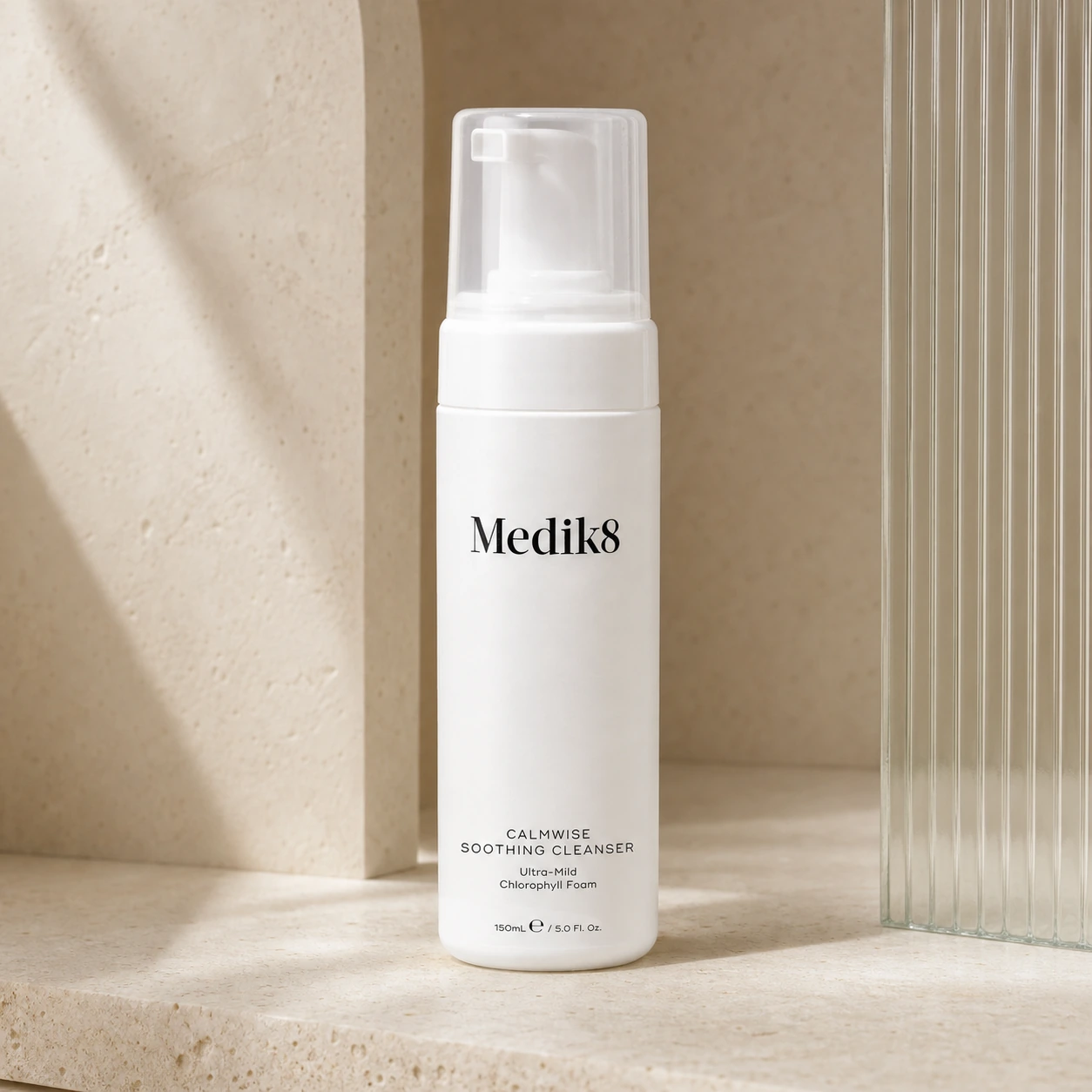
- ✓Gentle care — no alcohol, scrubs or acids. No deep cleanses!
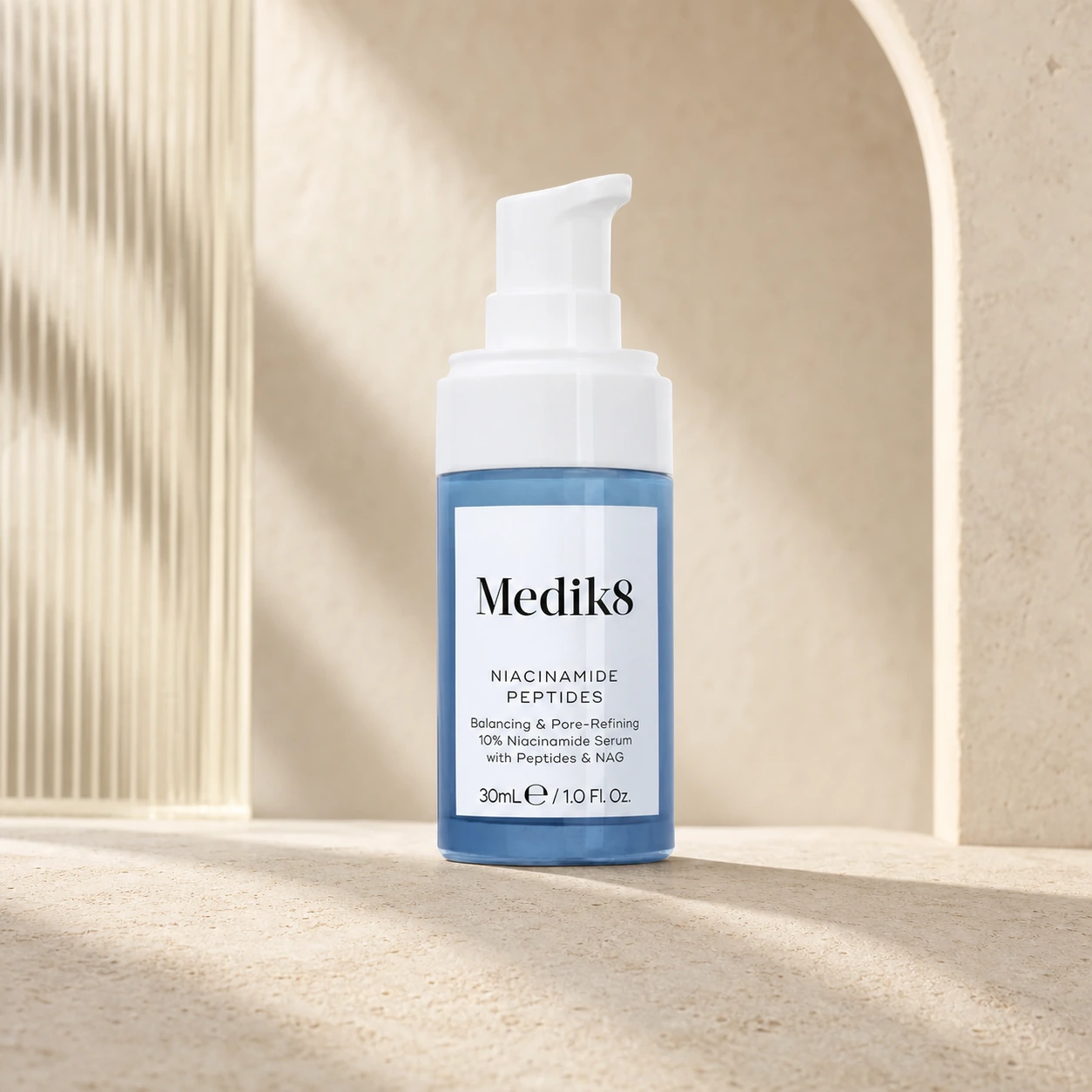
- ✓Hydration — creams and serums with niacinamide or ceramides
How it is treated, per international protocols
The plan depends on the stage and is chosen with a doctor. The toolkit:
- Topical — medical creams based on brimonidine, oxymetazoline
- Laser (PDL) — against visible vessels
- Azelaic acid — as part of daily care
- Diluted botulinum toxin — outside the protocols, but has performed well in practice
Exactly how to treat rosacea is something you decide together with your cosmetologist.
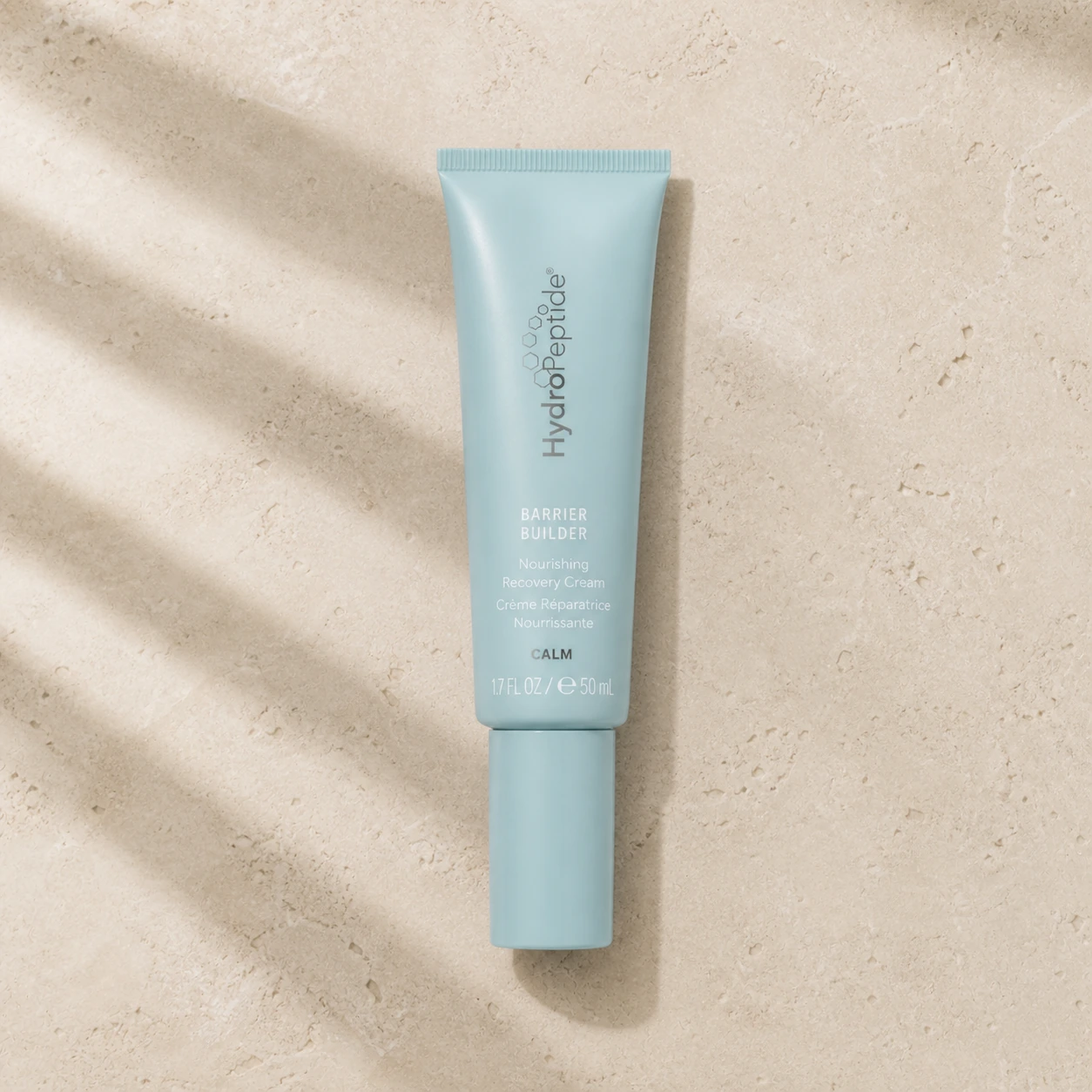
In daily care, focus on gentle cleansing, barrier recovery and SPF. Not sure where to start — take the routine quiz.
Sources
This material is for educational purposes and does not replace a medical consultation. Choose a treatment plan individually with a specialist.